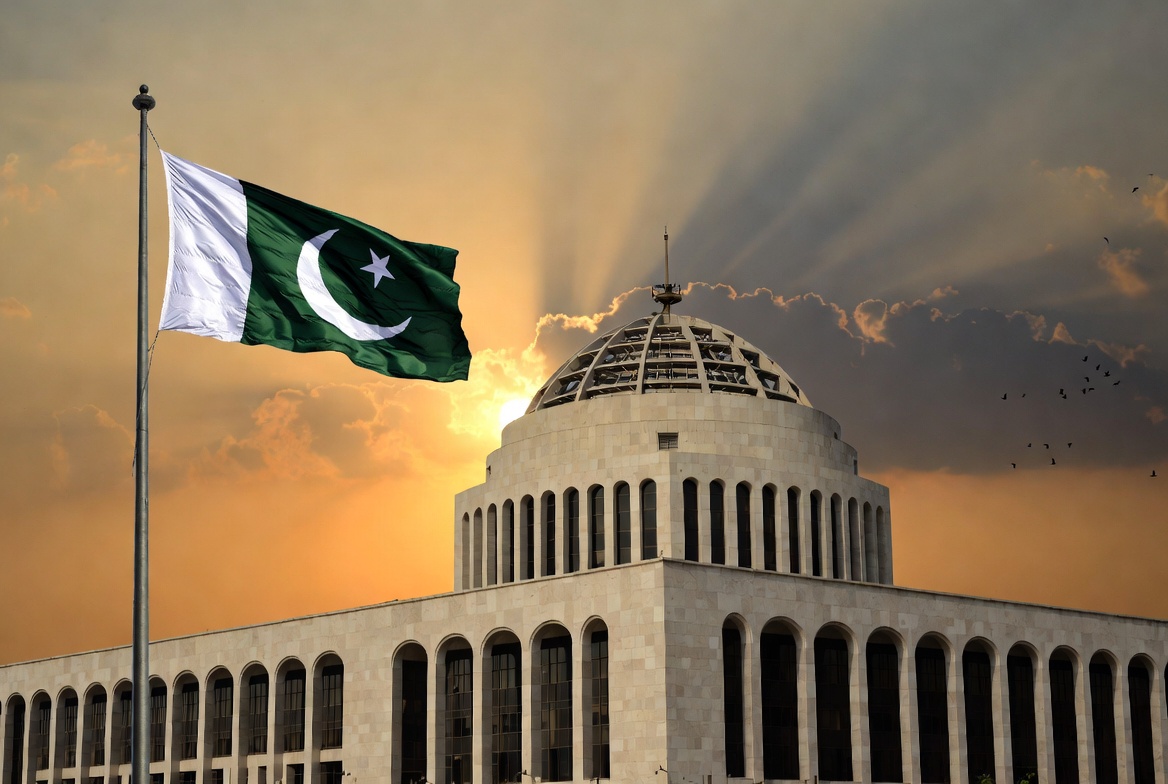
Pakistan at a Crossroads: Understanding 2026
Pakistan enters 2026 navigating complex political dynamics, ambitious economic reforms, and significant social transformation. This comprehensive analysis examines the key developments shaping the nation trajectory and what they mean for ordinary citizens.
Political Landscape: Coalition Governance and Democratic Evolution
Pakistan democratic journey continues with a coalition government managing diverse political interests. The current political arrangement reflects the fragmented mandate from recent elections, requiring consensus-building on major policy decisions.
Key Political Developments
Civil-Military Relations: The traditional dynamics between civilian governments and the military establishment continue to evolve. Recent years have seen increased emphasis on democratic continuity, with all major political parties supporting the completion of constitutional terms.
Judicial Reforms: The superior judiciary has played an active role in governance matters. Discussions around judicial reforms aim to reduce case backlogs, improve access to justice, and clarify the scope of judicial review in policy matters.
Provincial Autonomy: The 18th Amendment devolution of powers to provinces remains a cornerstone of Pakistan federal structure. However, coordination between federal and provincial governments on issues like energy, water distribution, and taxation requires continuous negotiation.
Electoral Reforms: Debates continue around electoral processes, including the use of electronic voting machines, overseas voting rights, and campaign finance regulations. These discussions aim to enhance transparency and public confidence in the electoral system.
Economic Challenges and Reform Agenda
Pakistan economy faces persistent challenges including fiscal deficits, external debt obligations, and inflationary pressures. However, reform efforts show promising signs of stabilization.
IMF Program and Fiscal Discipline
The ongoing International Monetary Fund (IMF) program requires Pakistan to implement structural reforms including:
- Tax Base Expansion: Bringing more sectors into the tax net and improving collection efficiency. The Federal Board of Revenue (FBR) has introduced digital systems to track transactions and reduce evasion.
- Energy Sector Reforms: Addressing circular debt in the power sector through tariff adjustments, improved collection, and reducing transmission losses.
- State-Owned Enterprise Restructuring: Privatization or professional management of loss-making public sector enterprises to reduce fiscal burden.
- Exchange Rate Flexibility: Allowing market forces to determine the rupee value while maintaining adequate foreign exchange reserves.
Agriculture Sector Revival
Agriculture contributes approximately 19% to Pakistan GDP and employs 38% of the workforce. Recent initiatives focus on:
- Corporate Farming: Encouraging large-scale agricultural investments to improve productivity and introduce modern farming techniques.
- Water Management: Lining canals, promoting drip irrigation, and constructing small dams to address water scarcity.
- Subsidy Rationalization: Moving from untargeted subsidies to direct support for small farmers.
- Crop Insurance: Introducing insurance schemes to protect farmers against climate-related losses.
IT and Services Exports
The information technology sector shows promising growth, with exports reaching new records. Government incentives include:
- Tax exemptions for IT exporters
- Simplified foreign exchange retention rules
- Skills development programs in emerging technologies
- Support for establishing global delivery centers in Pakistan
Special Investment Facilitation Council (SIFC)
The SIFC serves as a one-window platform for foreign investors, particularly targeting investments from Gulf Cooperation Council (GCC) countries. Key focus areas include:
- Agriculture and food security
- Minerals and mining
- Information technology
- Energy and petroleum
- Defense production
Social Transformation: Changing Demographics and Values
Pakistan social fabric is being reshaped by demographic shifts, urbanization, and changing cultural norms.
Youth Bulge and Its Implications
With approximately 64% of the population under 30 years old, Pakistan has one of the youngest populations globally. This demographic dividend presents both opportunities and challenges:
Opportunities:
- Large workforce entering productive years
- Higher technology adoption and digital literacy
- Entrepreneurial energy and innovation potential
Challenges:
- Job creation must accelerate to absorb new entrants
- Education and skills training quality needs improvement
- Social services including healthcare and housing require expansion
Women Empowerment and Workforce Participation
Female labor force participation in Pakistan remains low at approximately 22%, significantly below regional averages. However, positive trends are emerging:
- Education Gains: Female enrollment in higher education has increased substantially, creating a pipeline of qualified women professionals.
- Remote Work Opportunities: Digital platforms enable women to work from home, addressing mobility constraints in conservative communities.
- Legal Protections: Legislation against workplace harassment and for maternity benefits supports women career continuity.
- Entrepreneurship: Women-led small businesses are growing, supported by microfinance institutions and specialized training programs.
Urbanization and Infrastructure Pressures
Pakistan urban population is growing at approximately 3% annually. Major cities like Karachi, Lahore, and Islamabad face challenges including:
- Housing shortages and informal settlements
- Traffic congestion and inadequate public transportation
- Air pollution and environmental degradation
- Water and sanitation infrastructure gaps
- Urban governance and municipal service delivery
Responses include mass transit projects like Lahore Metro and Karachi Green Line, housing schemes such as Naya Pakistan Housing Program, and smart city initiatives incorporating technology for urban management.
Digital Society and Social Media Impact
Internet penetration exceeding 50% has transformed how Pakistanis communicate, consume information, and conduct business. Social media platforms play an increasingly important role in:
- Political discourse and mobilization
- Consumer behavior and e-commerce
- Cultural expression and entertainment
- Religious and social discussions
Regulatory frameworks like the Prevention of Electronic Crimes Act (PECA) aim to address online harms while balancing free expression concerns.
Climate Change and Environmental Challenges
Pakistan ranks among the countries most vulnerable to climate change despite contributing less than 1% of global greenhouse gas emissions.
Recent Climate Events
The devastating floods of 2022 affected over 33 million people and caused economic losses exceeding $30 billion. Recovery and reconstruction continue, with emphasis on building climate resilience.
Mitigation and Adaptation Strategies
- Renewable Energy Transition: Targeting 60% renewable energy in the power mix by 2030 through solar, wind, and hydropower projects.
- Afforestation: The Ten Billion Tree Tsunami program continues expanding forest cover.
- Climate-Smart Agriculture: Promoting drought-resistant crops and efficient irrigation techniques.
- Early Warning Systems: Improving meteorological capabilities to predict and respond to extreme weather events.
- International Climate Finance: Accessing global funds for adaptation and mitigation projects.
Foreign Relations and Geopolitical Positioning
Pakistan foreign policy balances relationships with major powers while pursuing regional stability and economic interests.
China-Pakistan Economic Corridor (CPEC)
CPEC enters its second phase focusing on industrial cooperation, agricultural modernization, and socioeconomic development. Key projects include Special Economic Zones attracting investment and creating employment.
Relations with the United States
The Pakistan-US relationship has evolved beyond security cooperation to encompass trade, investment, climate change, and people-to-people ties. The large Pakistani diaspora in America serves as an important bridge.
Regional Dynamics
Relations with India remain challenging, with the Kashmir dispute and cross-border tensions persisting. Engagement with Afghanistan focuses on stability, trade connectivity, and managing security concerns. Ties with Gulf states, Iran, and Central Asian republics are shaped by energy cooperation, labor migration, and transit trade opportunities.
Looking Ahead: Scenarios for Pakistan Future
Pakistan path forward depends on navigating several critical factors:
- Political Stability: Continuity of democratic processes and consensus on major national issues.
- Economic Reforms: Successful implementation of fiscal discipline and structural changes.
- Human Capital Development: Investments in education, health, and skills training for the youth population.
- Climate Resilience: Effective adaptation to environmental challenges and disaster preparedness.
- Inclusive Growth: Ensuring economic benefits reach marginalized communities and regions.
Conclusion
Pakistan in 2026 is a nation of immense potential facing significant challenges. The interplay between political evolution, economic reforms, social transformation, and external dynamics will determine the country trajectory. With a young population, strategic location, and growing digital connectivity, Pakistan has the ingredients for progress. The key lies in effective governance, policy consistency, and inclusive development that harnesses the talents of all citizens.
For ordinary Pakistanis, navigating daily life means balancing aspirations with realities—pursuing education and career goals while managing inflation and economic pressures. The resilience demonstrated through decades of challenges suggests that Pakistan and its people will continue adapting and moving forward, even as the path remains uncertain.